Home Academics Undergraduate Programs Visual Art, B.A.
Art is a discipline, a practice, and a way of seeing — and GCU's B.A. in Visual Art develops all three. Through progressive studio work in drawing, visual design, and art history, you'll build the perceptual skills, conceptual depth, and portfolio that a professional art career — or advanced study in art, design, or education — requires. A small, supportive program where faculty know your work and challenge you to grow.
Placeholder Image
Drawing is the foundation of all visual art practice — and GCU's Visual Art program takes it seriously. The curriculum begins with Drawing I (AR111) and Drawing II (AR201), building perceptual accuracy, compositional understanding, and visual observation skills from the ground up. Whether you're headed toward painting, printmaking, ceramics, graphic design, or art education, the drawing foundation you build in this program will serve every direction you take.
Understanding where art comes from is essential to making meaningful art. GCU's Visual Art program integrates art history coursework throughout the four years — not as a single isolated requirement, but as a running conversation between historical practice and contemporary studio work. Students learn to situate their own creative decisions within the global history of art, developing the critical and contextual fluency that graduate programs and professional practice demand.
Every Visual Art major completes AR499 Senior Exhibition Seminar — a capstone course in which you curate and mount a public exhibition of your work. This is your professional debut: the moment your four years of studio practice go on display for faculty, peers, and the public. It's also a powerful portfolio and career milestone — the kind of culminating experience that graduate school admissions committees and arts employers take notice of.
Students who want to teach art at the elementary level can pursue NJ certification as an Art Teacher (K–6) with Teacher of Students with Disabilities (TOSD) Endorsement by completing the 36-credit Visual Art major alongside required education coursework. It's one of the most direct paths to becoming a certified art educator in New Jersey — and GCU's small program means you get individual attention from faculty throughout the certification sequence.
Departmental Honors in Visual Art: Qualified students may apply for departmental honors in their junior year by contacting the Program Coordinator. Criteria include intellectual curiosity, academic ability, and commitment. Honors students who successfully complete the program will present their research in a public forum — a meaningful distinction on graduate school applications and professional profiles.
Visual art is one of humanity’s most fundamental forms of expression — and studying it rigorously, within a supportive and challenging academic environment, develops capacities for observation, creativity, critical thinking, and communication that extend far beyond the studio.
GCU’s B.A. in Visual Art is built around a progressive curriculum that takes students from foundational skill-building through advanced studio practice and art historical inquiry, culminating in a public senior exhibition. The 36-credit major requires a sequence of studio art courses at the 200–400 level, art history coursework that builds global and historical context, and the senior seminar that brings it all together.
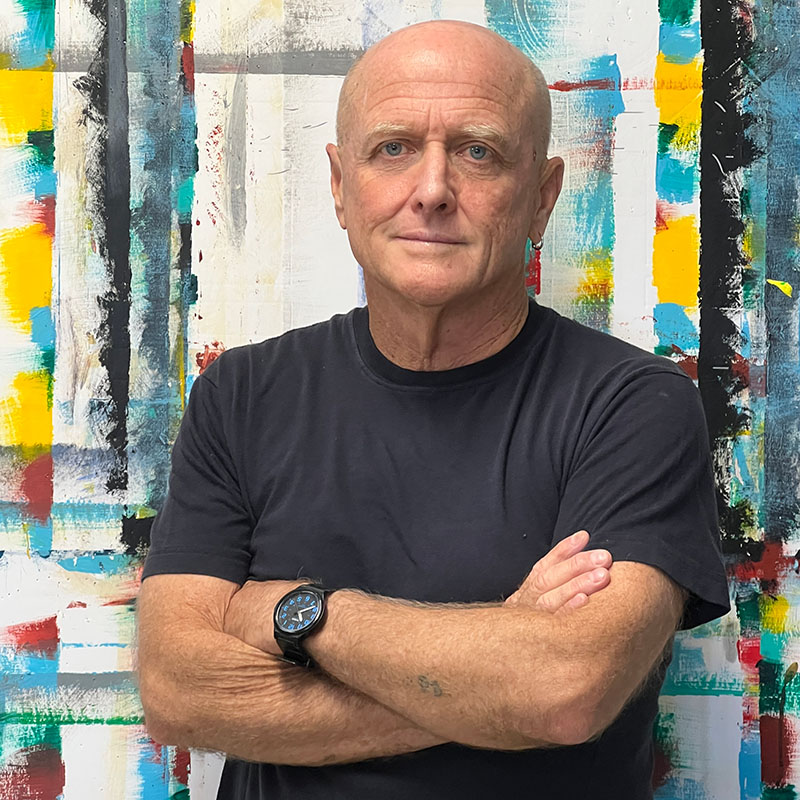
The program’s size is both its distinguishing feature and its greatest strength. Small cohorts mean you work in close collaboration with Program Coordinator Leo Morrissey — a professional artist with an M.F.A. from Rutgers — and develop the sustained mentorship relationship that produces serious artistic growth. Studio critiques are genuine conversations, not rubber stamps. Peers know each other’s work. Faculty track your development over four years.
Visual Art students at GCU have access to the university’s studios and gallery spaces on the historic Gould estate campus — one of the most beautiful and inspiring academic environments in New Jersey. The campus’s status as a National Historic Landmark, with its formal gardens and landmark architecture, provides a genuinely aesthetic context for studying visual art.
Students interested in combining art with education can pursue NJ certification as a Teacher of Art (K–6) with TOSD Endorsement through the Dual Education pathway alongside the Visual Art major — a structured path to an art teaching career that begins in the studio.
GCU’s B.A. in Visual Art is a great fit if you:
| Career | Entry Salary | Mid-Career Salary | Experienced Salary |
|---|---|---|---|
| Fine Artists / Illustrators | $36,000–$50,000 | $58,500 | $80,000+ |
| Art Teachers (K–12) | $52,000–$62,000 | $76,200 | $90,000–$105,000+ |
| Museum & Gallery Educators | $38,000–$52,000 | $62,400 | $78,000+ |
| Art Directors (with experience) | $60,000–$80,000 | $119,200 | $140,000+ |
Job Outlook
To earn this degree, students must successfully complete at least 120 credits, including General Education requirements and the major requirements below.
A minimum of 36 credits is required.
| Code | Title | Credits |
|---|---|---|
| Visual Art | ||
| AR111 | Drawing I | 3.0 |
| AR113 | Visual Thinking & Design | 3.0 |
| AR201 | Drawing II | 3.0 |
| Art History | 6.0 | |
Select from among: | ||
AR220 | Modern Art | |
AR228 | European & U.S. Art | |
AR229 | World Art History | |
Other art history | ||
| AR499 | Senior Exhibition Seminar | 3.0 |
| Studio Art Electives | ||
| 200-400 level Studio Art electives | 12.0 | |
| Major Electives | ||
| Select 6 credits from any Art, Communication, Dance, Graphic Design, or Music courses. 1 | 6.0 | |
| Total Credits | 36.0 | |
General Education courses can be used to fulfill this requirement.
Teacher of Art Certification with Teacher of Students with Disabilities: See requirements for the Bachelor of Arts (B.A.) degree in Visual Art, 36 credits. For required professional courses in education, please refer to the School of Education section of this catalog.
Art with Dual Ed (K–6) & Teacher of Students with Disabilities: See requirements for the Bachelor of Arts (B.A.) degree in Visual Art, 36 credits. For required professional courses in education, please refer to the School of Education section of this catalog.
Admissions Requirements First-Year Students
Note: A portfolio is NOT required for admission — GCU’s Visual Art program is open to students at all experience levels. See also the note under “No Portfolio Required” for Graphic Design, B.A. If you have artwork to share, you’re welcome to include it; if you don’t, that’s fine too.
Transfer Students
By the time you earn your B.A. in Visual Art from GCU, you’ll be able to:
Q: Do I need a portfolio to apply to the Visual Art program? A: No — admission does not require a portfolio. GCU’s Visual Art program welcomes students at all experience levels and artistic backgrounds. Your portfolio develops through the program itself. If you have artwork you want to share with the admissions team, you’re welcome to include it, but it’s not required.
Q: What studio media will I work in? A: Drawing is the foundational medium of the entire program — required in the first year through Drawing I and Drawing II. Beyond the foundation sequence, the studio art electives at the 200–400 level can include painting, ceramics, printmaking, sculpture, photography, and advanced drawing. The specific options available depend on course offerings and scheduling each semester — confirm current offerings with Program Coordinator Leo Morrissey.
Q: What is the Senior Exhibition Seminar? A: AR499 Senior Exhibition Seminar is the capstone of the Visual Art program — a course in which you curate and publicly exhibit your work. It’s your professional debut as an artist: the moment your four years of studio development go on display for faculty, peers, and the public. The senior exhibition is also an important portfolio and career milestone. Students should begin thinking about what work they want to exhibit well before their senior year.
Q: Can I become an art teacher in New Jersey with this degree? A: Yes. Students pursuing the “Art with Dual Education” pathway complete the B.A. in Visual Art alongside required education coursework and clinical practice, earning NJ certification as a Teacher of Art (K–6) with Teacher of Students with Disabilities (TOSD) Endorsement. See the School of Education section of the catalog for required courses and clinical practice requirements.
Q: What is departmental honors in Visual Art? A: Students can apply for departmental honors in their junior year by contacting Program Coordinator Leo Morrissey. Criteria include intellectual curiosity, academic ability, and commitment to artistic practice. Honors students complete additional work and present their research in a public forum — a meaningful academic distinction for graduate school applications or competitive arts opportunities.
Q: When should I apply? A: Rolling admissions — apply any time. Priority deadlines are November 1, January 1, and March 1. Applying early gives you the best access to merit scholarships, housing, and financial aid.
Popular Majors:
Popular Minors and Certificates to Pair with the Visual Art, B.A. (listed majors have associated minors): Studio Art, Minor • Graphic Design, B.A. • Communication, B.A. • Film, Minor
Welcome to the new georgian.edu!
We've redesigned our website to make it easier to explore Georgian Court. Some sections are still being finished and will be completed in the coming weeks. Thanks for your patience as we continue to improve your experience.