Luke McCormick always pictured himself going to college. He was active and socially involved in high school, did well academically, and ran cross country. Luke wanted to get the full college experience—learning, campus life, and sports—but like many students with intellectual and developmental disabilities (IDD), the options were extremely limited.
Students with IDD are not always able to complete a traditional college program. Many transition instead to a post-secondary program at their high school or enter a work or day program.
Fortunately, Georgian Court has a program specifically designed for students like Luke: the Transition and Career Studies Program (TCS), a 120-credit non-degree certificate program that allows students to grow academically and socially, identify a career path, and immerse themselves in college life. One of two four-year programs in the state, TCS offers the only fully integrated, inclusive residential experience in on-campus resident halls in New Jersey.
Luke, a TCS sophomore, is thriving. “I definitely like campus life! It was very good for me to learn to live on my own, be independent, and get along with roommates. I like doing all the fun activities, people in my dorm watch movies, and I play games with my friends in the lounge.” Luke also works part-time for the admissions office and often acts as a tour guide for prospective students.
As a non-traditional student, Luke wasn’t sure if he would be able to participate on a sports team. However, after meeting with the coaches, he was welcomed with open arms and is the first TCS student to become an official NCAA athlete and a member of the GCU Lions Track Team. “It makes me feel good to run in the races as part of the team…[cross country] it’s a great sport for me to do. I really like doing social stuff with my team. We all get along and became super good friends,” said Luke.
The tremendous success of Georgian Court’s TCS program led to the recent award of a $2.5 million grant from the U.S. Department of Education’s Transition and Postsecondary Programs for Students with Intellectual Disabilities (TPSID) initiative. GCU was one of only 27 higher education institutions in the country to receive the grant.
“This funding will be used to strengthen our program, develop new initiatives like a 5th year honors program, expand Peer Mentor training and create a credentialing program, grow our Pre-College Summer Program, and help us meet requirements for accreditation,” said Dr. Susan Field, Director of the TCS program, a Professor of Psychology, and Chair of the Department of Psychology and Counseling at Georgian Court.
Approximately $1.25 million of the grant is allocated to fund a partnership between GCU and Sussex County Community College (SCCC). Dr. Field and her team are working with SCCC to develop a curriculum of specialized courses for a two-year, non-residential TPSID program. This will build upon the current vocational offerings for students with IDD on that campus.
“This partnership will increase access and create another fully inclusive program and path for those students who want to enter a residential program afterwards,” explained Dr. Field. “Having a TPSID program at SCCC will also increase awareness of these programs throughout the state, which is important because a lot of students don’t know we exist.”
A key component of TCS’s success is the involvement of Peer Mentors. These GCU students are trained to work with TCS students and provide critical support—academic, social, and vocational—to help them transition and fully integrate into campus life.
Peer Mentor Katelyn Santello was excited by the grant announcement. “I think it is great that they will be able to expand the program. We are teaching TCS students how to live on their own, and that is very important. Being a peer mentor has been very impactful, not just personally but professionally,” said Santello, a senior double majoring in education and psychology. “I plan to work with kids with special needs, so the credential certification would be perfect; not everyone needs it, but all the mentors will benefit.”
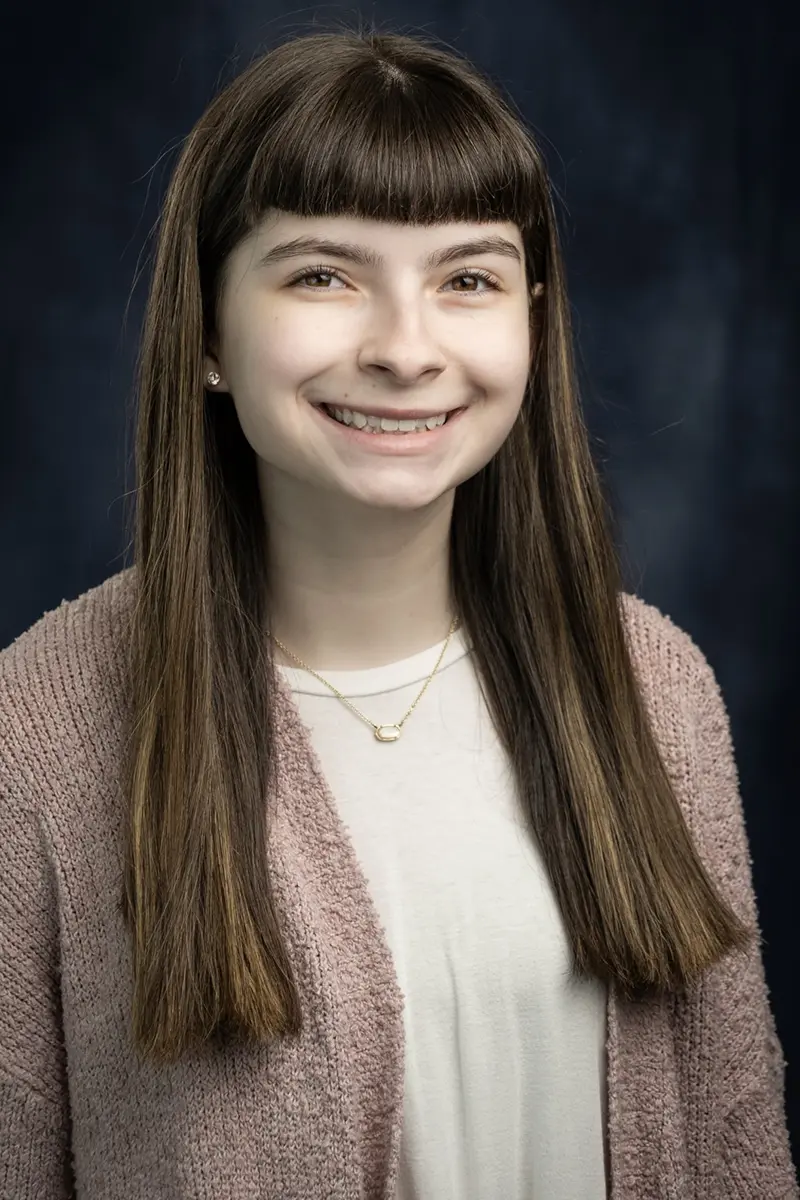
“Amazing” is how Lily McCarthy, a TCS senior, described the program and her experience over the past few years. “The professors are amazing, you can talk to them anytime, and they will help you. They make the program a lot of fun.”
Lily is a member of the bowling club, became the first TCS student to serve as a Peer Mentor for GCU’s Pre-College Summer Program for high school students with IDD, and is working in an afterschool program at Oak Street School in Lakewood. “I want to work at a school with little kids after I graduate. I am good with them, and it is fun.”
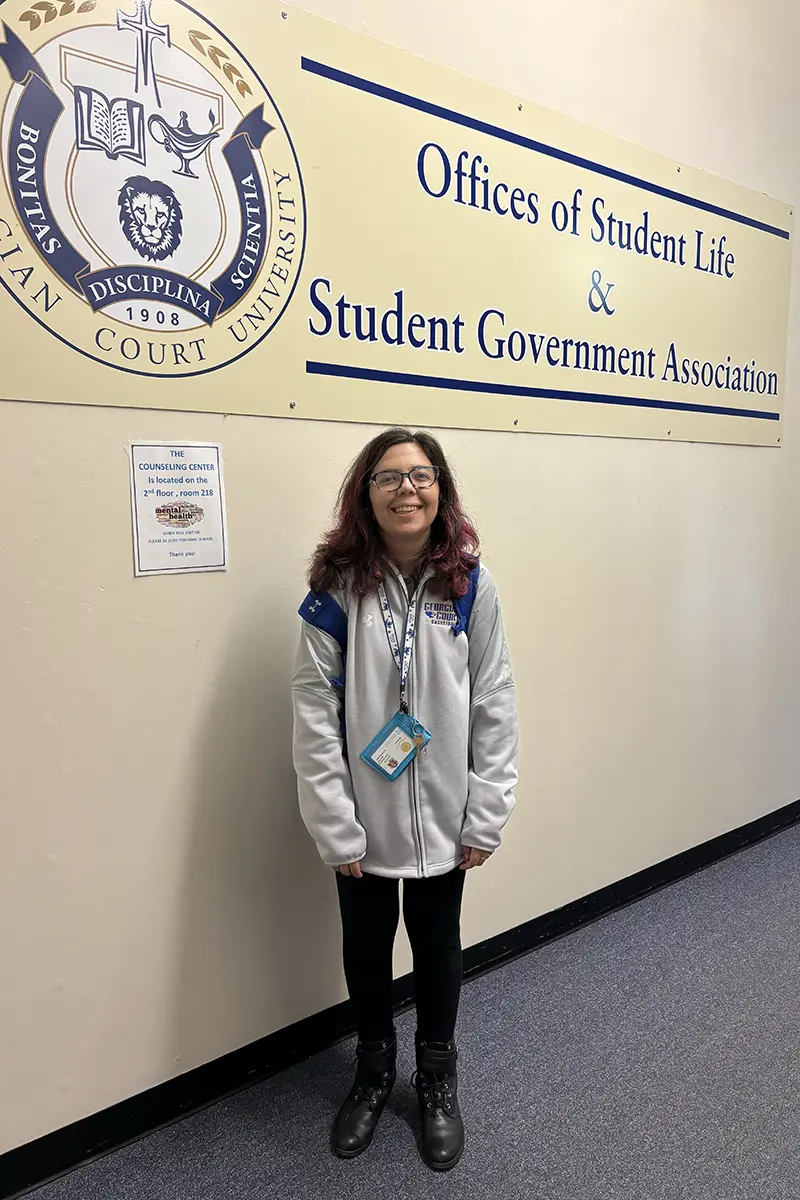
“Living on my own is easy now. I know how to manage my time. I feel more confident knowing I can do anything on my own,” related Lily, whose favorite new catchphrase is “I’ve got this!”
Florence McCarthy, Lily’s mother, is proud of the changes in her daughter. “She has learned how to adapt to different situations, advocate for herself, deal with different bosses and types of work, and, like any of us, our life experience gives us more confidence to go ahead.”
Luke’s parents noted he has always taken pride in being independent, something TCS has helped foster. “This has been a transformational period for Luke. He is able to do what everyone else is doing, and the exposure to work skills, internships, and the independence of living on campus has allowed him to fly,” said his mother, Gina McCormick.
“Luke has really taken advantage of all the things available on campus and has been able to participate and be part of the community,” remarked Matt McCormick, Luke’s father. “The inclusiveness of this experience has been beyond our wildest dreams.”
Luke and Lily are among 23 students currently enrolled in the TCS program, which began in 2021 with support from their first TPSID grant for $2.5 million. In May 2025, the first class of TCS students graduated from the program.
Dr. Field explained, “Students who graduate from programs like TCS are more likely to live independently and be gainfully employed than students who do not enroll in these programs. The biggest challenge is finding enough seats to accommodate the growing demand.” The TPSID grant funding, which runs through 2030, is another step forward.